Pharmaceuticals, food and beverage, cosmetics, animal feed
Grade
Pharmaceutical/IP/USP/BP/Food Grade
Density
1.65 Gram per cubic centimeter(g/cm3)
Appearance
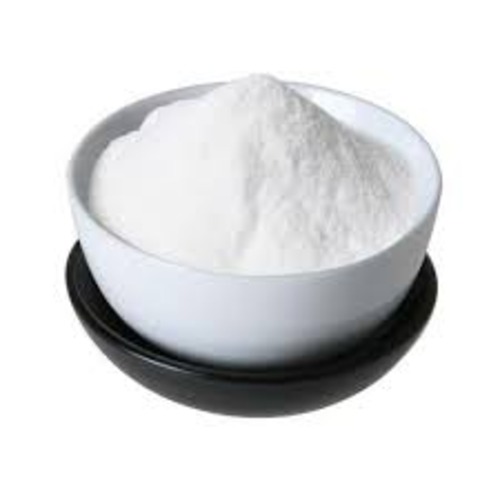
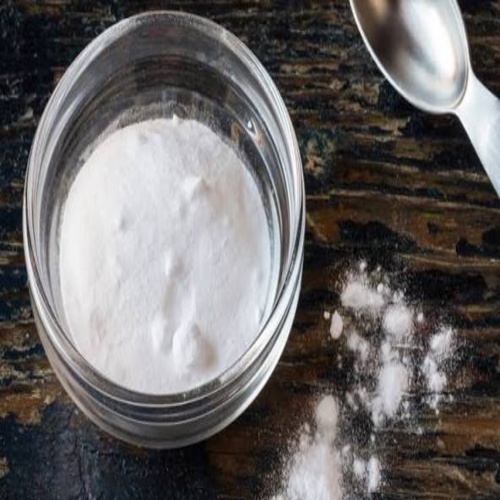
White to Slightly Yellow Crystalline Powder
Smell
Odorless
Structural Formula
See C6H8O6; structural diagram available on request
EINECS No
200-066-2
HS Code
29362700
Application
Used as antioxidant, preservative, and vitamin supplement
Shelf Life
24 months in original sealed packaging
Molecular Weight
176.12 g/mol
Melting Point
190-192C (with decomposition)
Purity
99% minimum
Molecular Formula
C6H8O6
Product Type
Vitamins
CAS No
50-81-7
Ph Level
2.1 (5% solution)
Shape
Crystalline/Granular
Properties
White to slightly yellowish crystalline powder, odorless, readily soluble in water, sensitive to light and air
Solubility
Freely soluble in water, slightly soluble in alcohol
Specific Optical Rotation
+20.5 to +21.5 (in water)
Stability
Stable under recommended storage conditions
Moisture Content
Max 0.10%
Heavy Metals
<10 ppm
Particle Size
Standard/Custom available
Packaging Type
25 kg fiber drum / HDPE drum / customized packing
Loss on Drying
Max 0.4%
Allergen Information
Allergen free (as per manufacturing process)
Ascorbic acid Trade Information
Minimum Order Quantity
1 Kilograms
Delivery Time
1 Week
About Ascorbic acid
Ascorbic acid (Vitamin C) acts as both an Active Pharmaceutical Ingredient (API) and a versatile excipient, primarily as an antioxidant to stabilize formulations, but also as a component in developing nanoparticles, for drug solubilization, and as a pH adjuster, requiring specific excipients like microcrystalline cellulose, starch, mannitol, and lubricants (e.g., magnesium stearate, stearic acid) to overcome its poor compressibility and moisture sensitivity in solid dosage forms like tablets. Its derivatives (e.g., ascorbyl glycoside, ascorbyl palmitate) are used in specialized drug delivery systems.
Sweeteners/Flavoring: Mannitol (for taste masking in chewables/mouth-dissolving tablets).
Key Roles in Formulations
Antioxidant: Protects APIs and the formulation from oxidative degradation, extending shelf life, crucial in radiopharmaceuticals.
Solubilizer: Ascorbic acid derivatives (like ascorbyl glycoside) can help solubilize poorly soluble drugs and form nanoparticles, improving dissolution.
Stabilizer: Prevents color changes and potency loss in liquid formulations and supplements.
Formulation Challenges & Solutions
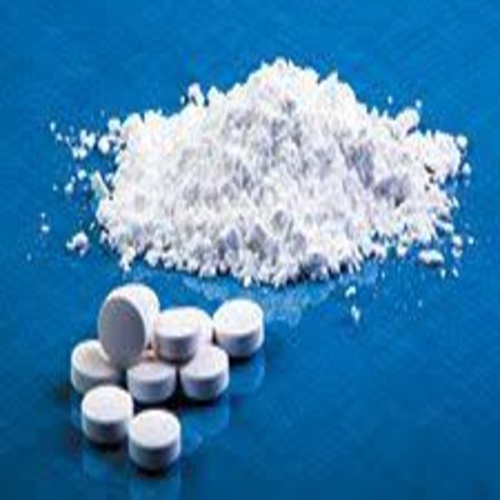
Poor Compressibility: Ascorbic acid doesn't compact well; requires effective lubricants and specialized excipients like modified fats, MCC, and Aerosil (silica) for strong, fast-disintegrating tablets.
Moisture Sensitivity: Needs protection from moisture, stored tightly closed, with careful excipient selection to maintain stability.
Superior Quality & Safety
Our ascorbic acid is manufactured and packaged adhering to Pharmaceutical, IP, USP, BP, and Food Grade requirements. It is allergen-free, non-poisonous, and rigorously tested to ensure heavy metals remain below 10 ppm. Its distinctive white to slightly yellow appearance and high solubility in water ensure adaptability for various applications, from fortifying foods to enhancing product shelf life.
Optimal Storage and Longevity
Supplied in secure packaging, ascorbic acid must be stored in a cool, dry area away from direct light to maintain stability. When kept under these conditions in its original sealed packaging, it retains optimum performance and safety for up to 24 months. Moisture and light sensitivity are mitigated by proper storage, preserving both efficacy and quality.
FAQ's of Ascorbic acid:
Q: How should ascorbic acid be stored to ensure maximum stability?
A: Ascorbic acid should be stored in a cool, dry place away from light, ideally in its original sealed fiber drum or HDPE drum packaging. This protects it from moisture, heat, and air, maintaining its stability and efficacy for the full 24-month shelf life.
Q: What are the primary benefits of using ascorbic acid in food and beverages?
A: Ascorbic acid acts as a powerful antioxidant and preservative, helping prevent oxidation and extend shelf life while providing a source of Vitamin C to enhance nutritional value in foods and beverages.
Q: When is ascorbic acid typically added during the manufacturing process?
A: Ascorbic acid is generally introduced during blending or mixing, depending on the product formulation. It is soluble in water and should be added at a stage where it is evenly distributed for maximum efficacy as a preservative or nutrient.
Q: Where is ascorbic acid commonly utilized aside from the food industry?
A: Besides food and beverage applications, ascorbic acid is widely used in pharmaceuticals (as a vitamin supplement), cosmetics (as a stabilizer and antioxidant), and animal feed for nutritional fortification.
Q: What makes this ascorbic acid suitable for sensitive formulations?
A: This ascorbic acid is free from allergens, has a purity of at least 99%, and low heavy metal content (<10 ppm), making it ideal for sensitive applications such as pharmaceuticals, baby food, and cosmetics.
Q: How can particle size be customized for different applications?
A: Particle size options, ranging from standard to custom specifications, are available upon request to suit a diverse range of product formulations, ensuring uniform dispersion in both solid and liquid applications.
Tell us about your requirement
Price:
Quantity
Select Unit
50
100
200
250
500
1000+
Additional detail
Mobile number
Email
Name
Comapny Name
Phone Number
Email Id
City / State
Confirm Your Requirement
Verification Code
Did not receive yet?
Resend OTP
You’re Done!
We have received your requirements and will reply shortly with the best price.






 Send Inquiry

 Send Inquiry
 Send Inquiry
 Send SMS