About Turpentine Oil
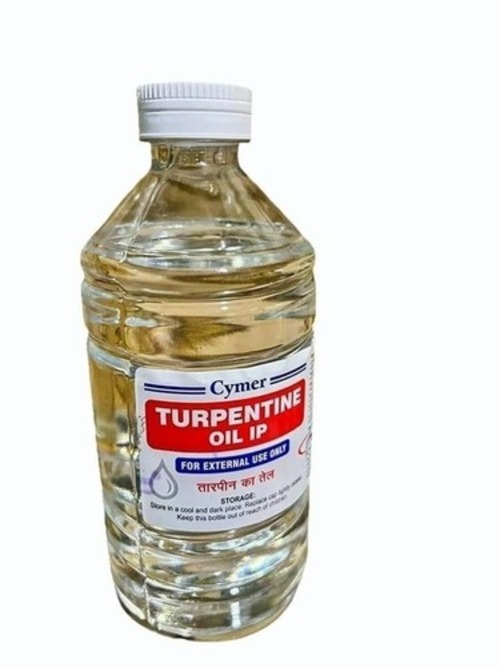
Turpentine oil is a volatile, pungent-smelling, colorless liquid distilled from pine resin (gum turpentine) or wood. Primarily composed of
- and
-pinenes, it is a powerful industrial solvent for paints, varnishes, and resins. It is also used topically in medicinal rubs for pain and as a fragrance component.
Versatile Industrial ApplicationsTurpentine Oil is a preferred choice in numerous industrial processes. Its excellent solvency makes it ideal for paints and varnishes, while its unique aroma is prized in fragrances and cleaning agents. Manufacturers also use it as a raw material in the production of resins, camphor, and medicinal compounds.
Quality and Safety AssuranceWith a high assay of 98% and minimal heavy metal content, Turpentine Oil meets stringent industrial standards. It is supplied as an industrial-grade product, packaged safely in galvanized iron or HDPE drums, or bulk tankers. Proper storage in cool, dry, and ventilated areas ensures its full shelf life and effectiveness.
Distinct Properties and CompositionCharacterized by a neutral pH, the oil's density ranges between 0.860 and 0.870 g/cm3, and it is not soluble in water. Rich in monoterpenes such as alpha-pinene and limonene, Turpentine Oil is essential in the formulation of pharmaceutical products and perfumes, contributing both function and fragrance.
FAQ's of Turpentine Oil:
Q: How should Turpentine Oil be stored for maximum stability and shelf life?
A: Turpentine Oil should be kept in tightly closed containers made of galvanized iron, HDPE, or bulk tankers. Store it in a cool, dry, well-ventilated location, away from sources of heat and ignition, to maintain stability and its 24-month shelf life.
Q: What are the main industrial uses of Turpentine Oil?
A: Turpentine Oil is commonly used as a solvent in paints and varnishes, as a cleaning agent, and in the manufacturing of resins and camphor. It is also an important ingredient in medicinal preparations and as a fragrance enhancer in perfumes.
Q: When is Turpentine Oil typically added during the production process?
A: In chemical and manufacturing processes, Turpentine Oil is usually introduced during the formulation stage, particularly in solvent blends, resin manufacturing, and fragrance preparations, to ensure optimal efficacy and aroma retention.
Q: Where is Turpentine Oil mainly distributed and manufactured?
A: Turpentine Oil is widely distributed, manufactured, and supplied throughout India, often by industrial-grade distributors, manufacturers, service providers, suppliers, and traders.
Q: What makes Turpentine Oil beneficial in medicinal and fragrance applications?
A: Turpentine Oil's high purity, unique blend of monoterpenes (such as alpha-pinene and limonene), and characteristic pine scent make it ideal for medicinal formulations and as a flavor or fragrance enhancer, providing therapeutic and aromatic benefits.
Q: How does Turpentine Oil's composition impact its functionality as a solvent?
A: The presence of components like alpha-pinene and beta-pinene boosts Turpentine Oil's solvency power, making it effective for dissolving and blending substances in paint, varnish, and resin manufacturing.







 Send Inquiry


 Send Inquiry
 Send Inquiry
 Send SMS