Methylparaben and propylparaben are the two most common synthetic preservatives used to extend the shelf life of cosmetics, personal care products, pharmaceuticals, and foods. They are chemical esters of para-hydroxybenzoic acid (PHBA).
Key Characteristics & Differences
Solubility:Methylparaben is highly water-soluble, while propylparaben is more oil-soluble.
Antimicrobial Spectrum:Methylparaben is more effective against bacteria (especially Gram-negative), while propylparaben has stronger antifungal properties against yeasts and molds.
Combined Use: Manufacturers often use them together to achieve "synergy,"
Highly Effective Antimicrobial Preservatives
Methylparaben and Propylparaben possess potent antimicrobial activity, ensuring product safety by inhibiting microbial growth in pharmaceuticals, cosmetics, and food products. Their effectiveness at low dosages maintains the integrity and longevity of formulations, guaranteeing consistent quality and safety for consumers across industries.
Premium Quality Standards and Compliance
Both preservatives exceed 99% purity, with strict compliance to BP/USP microbial limits and ICH guidelines for residual solvents, ensuring pharmaceutical and food-grade quality. Heavy metals are limited to less than 10 ppm, and product integrity is maintained with packaging in secure 25 kg drums or tailored packages as per client needs.
Versatile Applications and Long Shelf Life
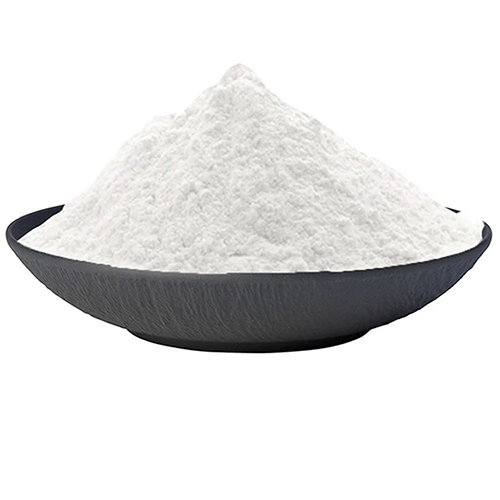
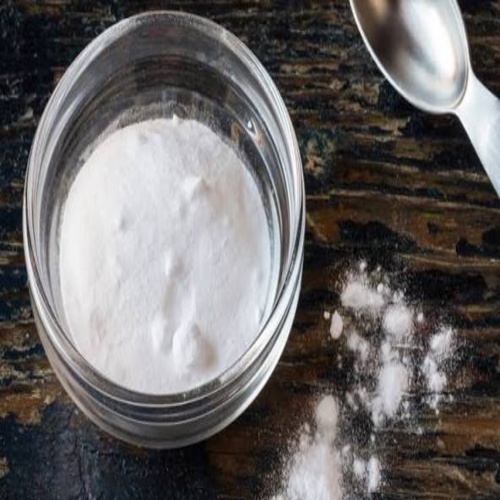
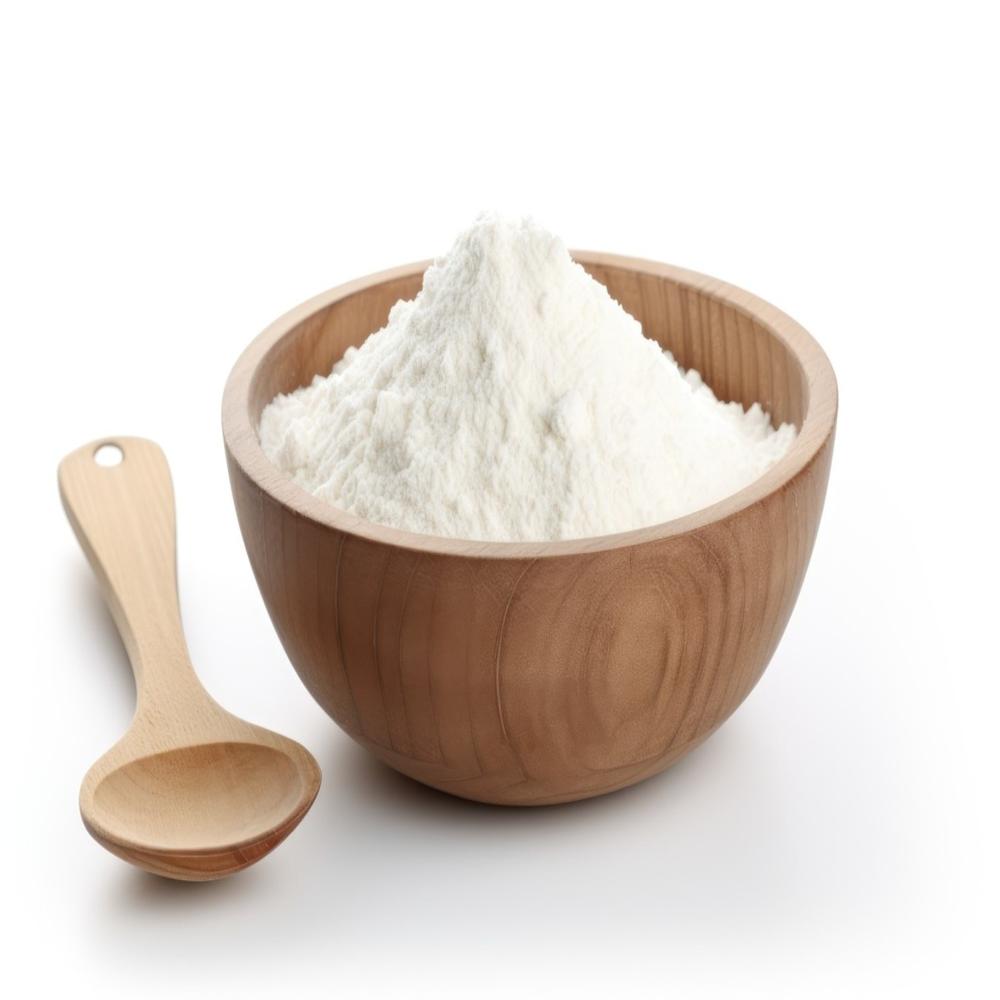
These powders are suitable for diverse applications, from extending product shelf life to preventing spoilage in food, drugs, and personal care items. Both methylparaben and propylparaben remain stable for up to three years when stored in tightly closed containers in cool, dry, ventilated environments.
FAQ's of methylparaben and propylparaben:
Q: How are methylparaben and propylparaben typically used as preservatives?
A: Methylparaben and propylparaben are commonly added to products such as cosmetics, pharmaceuticals, and foods at concentrations of 0.1-0.2%. Their main function is to prevent microbial growth, thereby increasing the shelf life and maintaining the integrity of the final formulation.
Q: What are the recommended storage conditions for these preservatives?
A: To maintain stability and quality, both methylparaben and propylparaben should be stored in tightly closed containers, in a cool, dry, and well-ventilated place. This helps preserve their effectiveness and prevents contamination or degradation during storage.
Q: When should a Certificate of Analysis be requested for these products?
A: A Certificate of Analysis can be requested with every order or prior to product delivery to verify compliance with assay, purity, microbial limits, and other critical quality parameters detailed in BP/USP standards.
Q: Where can methylparaben and propylparaben be applied?
A: They are suitable for applications in pharmaceuticals, food, and cosmetics. These substances are compatible with a wide range of ingredients and physical forms, making them versatile preservatives used by manufacturers, suppliers, and traders across multiple industries.
Q: What benefits do methylparaben and propylparaben offer in formulations?
A: Besides offering robust antimicrobial protection, these preservatives are highly stable, non-poisonous, and compatible with many substances. Their use helps manufacturers ensure product safety, compliance, and quality over extended periods.
Q: What precautions should be taken when handling or mixing these preservatives?
A: Avoid contact with strong oxidizing agents, as both methylparaben and propylparaben can be incompatible with such chemicals. General safety precautions such as avoiding inhalation of powder and wearing suitable protective equipment are recommended.
Tell us about your requirement
Price:
Quantity
Select Unit
50
100
200
250
500
1000+
Additional detail
Mobile number
Email
Name
Comapny Name
Phone Number
Email Id
City / State
Confirm Your Requirement
Verification Code
Did not receive yet?
Resend OTP
You’re Done!
We have received your requirements and will reply shortly with the best price.






 Send Inquiry

 Send Inquiry
 Send Inquiry
 Send SMS
 Call Me Free