Slightly soluble in water, soluble in organic solvents like ethanol & ether
Ph Level
Neutral
Ingredients
Butylated hydroxytoluene (BHT)
Application
Used as antioxidant in food, cosmetics, pharmaceuticals, industrial fluids
Melting Point
69-70C
Poisonous
No (when used within prescribed limits)
Refractive Rate
1.5203 (nD20)
Storage
Store tightly closed in a cool, dry, well-ventilated place, away from sources of ignition
Molecular Weight
220.35 g/mol
Taste
Bland, slightly phenolic
Properties
Prevents oxidation, good thermal stability, non-volatile under normal conditions, effective at low concentrations
Usage
Added to products to prevent oxidative rancidity
Structural Formula
(CH3)3C-C6H2(OH)-C(CH3)3
HS Code
29071990
Physical Form
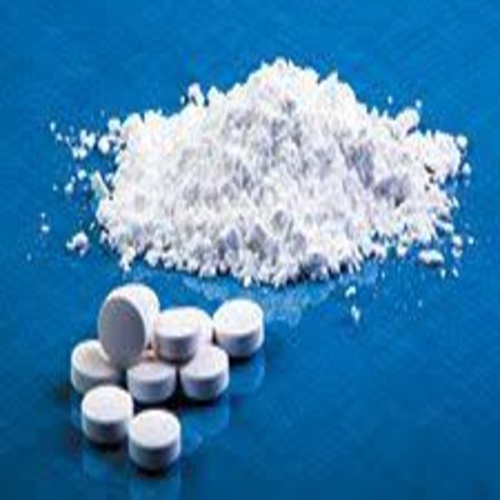
Powder
Product Type
Antioxidant
Purity
99%
Grade
Industrial, Food Grade
Appearance
White crystalline solid
CAS No
128-37-0
Shelf Life
24 months (under recommended storage conditions)
Molecular Formula
C15H24O
Smell
Faint aromatic odor
EINECS No
204-881-4
Synonyms
2,6-Di-tert-butyl-4-methylphenol, BHT
Flash Point
127C
Packaging
Available in 25 kg fiber drums or as per customer request
Stability
Stable under normal temperatures and pressures
Hazard Statements
May cause irritation to skin and eyes on contact; inhalation of dust may cause respiratory irritation
Vapor Pressure
6.67 x 10⁻⁶ mmHg at 25C
Boiling Point
265C
Auto Ignition Temperature
475C
Regulatory Status
Approved by FDA, EAFUS, E321
Butylated hydroxytoluene Trade Information
Minimum Order Quantity
1 Kilograms
Delivery Time
1 Week
About Butylated hydroxytoluene
BHT (Butylated Hydroxytoluene) is a synthetic antioxidant used as a common pharmaceutical excipient to prevent fats, oils, and oil-soluble vitamins in medications from oxidizing, thereby extending product shelf life, flavor, and potency. It's a white crystalline solid found in various dosage forms like creams, gels, capsules, and tablets, and it protects against rancidity, maintaining product quality.
Key Functions in Pharmaceuticals
Antioxidant: Protects formulations from degradation by oxygen, preventing spoilage and loss of efficacy.
Stabilizer: Maintains the texture, color, and fragrance of products, especially in ointments and creams.
Preservative: Extends the overall shelf life of the finished drug product.
Appearance: White, crystalline powder with a faint odor.
Solubility: Soluble in oils, ethanol, but insoluble in water.
Safety: Generally recognized as safe (GRAS) by the FDA for specific uses, though some controversy exists, leading some manufacturers to use alternatives like BHA (Butylated Hydroxyanisole) in food.
Superior Antioxidant Performance
BHT is widely recognized for its ability to prevent oxidative degradation in various products. Its strong antioxidative action helps maintain freshness, color, and quality in foods, cosmetics, and industrial fluids. Its effectiveness at low concentrations ensures minimal impact on the overall composition of products, making it a cost-effective solution for extending shelf life.
Safe and Versatile Application
With approvals from the FDA and other global regulatory agencies, BHT finds extensive use in both food and industrial sectors. Its non-volatile nature, excellent thermal stability, and neutral pH make it suitable for a variety of formulations. It remains stable under normal storage conditions and dissolves easily in organic solvents, facilitating seamless integration into manufacturing processes.
FAQ's of Butylated hydroxytoluene:
Q: How is Butylated hydroxytoluene (BHT) typically used in industry and food products?
A: BHT is primarily added to products as an antioxidant to prevent oxidative rancidity, which helps maintain quality, flavor, and color in foods, as well as stability in cosmetics, pharmaceuticals, and industrial oils.
Q: What benefits does BHT offer compared to other antioxidants?
A: BHT is effective at low concentrations, highly stable under normal temperatures, and non-volatile, making it ideal for products that require long shelf life and resistance to heat-related degradation.
Q: When should BHT be added during the manufacturing process?
A: BHT can be incorporated early during mixing or formulation stages to ensure even distribution and optimal antioxidative protection before significant exposure to air or heat.
Q: Where should BHT be stored to ensure maximum shelf life?
A: BHT should be stored tightly sealed in a cool, dry, and well-ventilated area, away from ignition sources, to maintain its stability and effectiveness over a recommended shelf life of 24 months.
Q: What is the recommended process for handling and packaging BHT?
A: BHT is available in 25 kg fiber drums or as per customer requirements. It should be handled with appropriate safety measures to prevent dust inhalation and contact with skin or eyes, using personal protective equipment if necessary.
Q: Is BHT safe for use in food and other consumer products?
A: Yes, BHT is considered safe for use within prescribed limits and is approved by regulatory agencies including the FDA and EAFUS. It is non-poisonous when used properly and is widely employed in various consumables.
Tell us about your requirement
Price:
Quantity
Select Unit
50
100
200
250
500
1000+
Additional detail
Mobile number
Email
Name
Comapny Name
Phone Number
Email Id
City / State
Confirm Your Requirement
Verification Code
Did not receive yet?
Resend OTP
You’re Done!
We have received your requirements and will reply shortly with the best price.







 Send Inquiry

 Send Inquiry
 Send Inquiry
 Send SMS