Derived from starch and sodium glycolate; represented as a cross-linked carboxymethyl starch sodium salt
Melting Point
Decomposes before melting
Usage
Used in tablet manufacturing to promote rapid disintegration
Smell
Odorless or almost odorless
Ph Level
5.5 - 7.5 (1% w/v aqueous solution)
Properties
White or almost white, free-flowing powder; odorless or almost odorless; insoluble in most organic solvents; swells rapidly in water
Purity
>98%
Molecular Weight
Variable, depending on polymer chain (typically around 100,000-1,000,000 g/mol)
Density
0.60 Gram per cubic centimeter(g/cm3)
Appearance
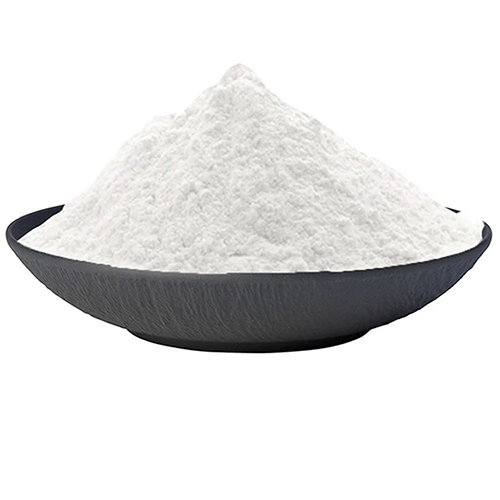
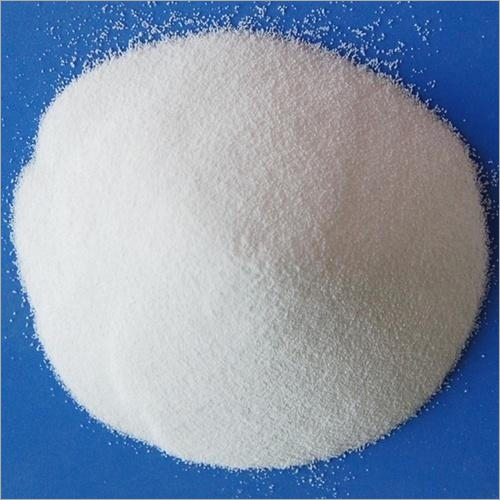
White or almost white powder
Product Type
Organic Chemical
HS Code
35051000
Taste
Tasteless or slightly saline
Shape
Fine, free-flowing powder
Storage
Store in tightly closed container in a cool, dry place
Poisonous
Non-poisonous
Grade
Pharmaceutical Grade
Solubility
Practically insoluble in ethanol, but swells in water
Ingredients
Sodium salt of carboxymethyl ether of starch
Physical Form
Powder
CAS No
9063-38-1
Molecular Formula
(C6H10O5)x(C2H4O2Na)y
Application
Superdisintegrant in pharmaceutical formulations
Shelf Life
2 years
EINECS No
618-587-2
Synonyms
SSG, Sodium starch glycollate
Category
Pharmaceutical excipient
Loss on Drying
Not more than 10.0% (when dried for 2 hrs at 130C)
Function
Superdisintegrant
Residual Solvent
Complies with relevant pharmacopeial limits
Particle Size
90% passes through 100 mesh sieve
Compatibility
Compatible with most pharmaceutical excipients
Standard
Complies with IP/BP/USP specifications
Bulk Density
0.50 - 0.60 g/cm3
pH of 1% Solution
5.5 - 7.5
Microbial Limits
Complies with pharmacopeial standards for total aerobic microbial count and total yeast & mold count
Sodium Content
2.8% to 4.2%
Heavy Metals
Not more than 20 ppm
Packing
25 kg HDPE drum/bag
Sodium starch glycolate Trade Information
Minimum Order Quantity
1 Kilograms
Delivery Time
1 Week
About Sodium starch glycolate
Sodium Starch Glycolate (SSG) powder is a vital pharmaceutical excipient, acting as a superdisintegrant that rapidly swells and breaks down tablets/capsules in water, releasing medicine faster for better absorption; it's a white, fine, free-flowing powder from starch, also used as a binder, gelling, or suspending agent in solid dosage forms, ensuring drug efficacy.
Key Characteristics:
Appearance: Fine, white to off-white, odorless powder.
Origin: Derived from starch (potato, corn, rice) and modified.
Function: Primary role as a superdisintegrant in tablets and capsules.
Mechanism: Rapidly absorbs water, swells significantly, creating pressure to disintegrate the dosage form.
Uses in Pharmaceuticals:
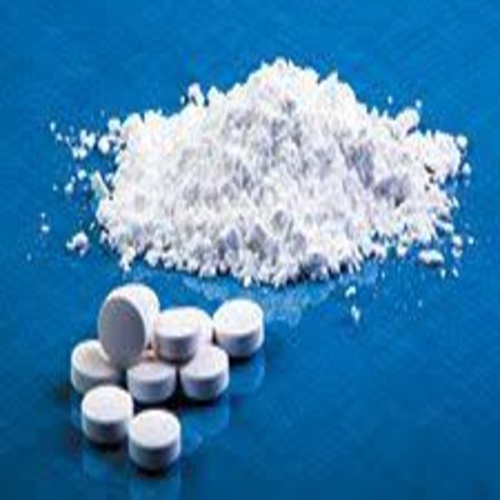
Disintegration: Breaks down tablets/capsules quickly for faster drug release.
Binding: Can act as a binder to hold tablet ingredients together.
Suitable for direct compression and wet granulation.
Provides excellent fluidity for manufacturing
Superior Disintegration Performance
Sodium starch glycolate excels in promoting rapid tablet breakup, ensuring efficient release of the active pharmaceutical ingredient. Its high swelling capacity in water and ability to disperse quickly make it integral to modern tablet formulations, where patient convenience and therapeutic efficacy are top priorities.
Quality and Compliance Assured
Manufactured according to IP, BP, and USP specifications, SSG meets strict quality standards for purity, heavy metal content, residual solvents, and microbiological limits. Each batch is carefully monitored to ensure bulk density, particle size distribution, and sodium content meet pharmacopeial requirements.
Safe and Versatile Excipient
Non-toxic and practically odorless, SSG is compatible with most excipients and is easily integrated into various formulations. Its insolubility in organic solvents and excellent swelling behavior in water make it a versatile and essential additive in pharmaceutical industries.
FAQ's of Sodium starch glycolate:
Q: How is Sodium Starch Glycolate used in tablet manufacturing?
A: Sodium starch glycolate is primarily used as a superdisintegrant in tablet formulations. It is added to the tablet blend, where it rapidly swells upon contact with water, helping tablets break apart quickly for efficient drug release.
Q: What are the key benefits of using SSG in pharmaceutical applications?
A: SSG ensures fast tablet disintegration, enhancing the bioavailability of the active ingredient. Its high purity, non-toxicity, compatibility with other excipients, and compliance with global pharmacopeial standards make it a preferred choice for formulators.
Q: Where should Sodium Starch Glycolate be stored for optimal shelf life?
A: To maintain its stability and effectiveness, Sodium starch glycolate should be stored in a tightly closed container in a cool, dry place. Proper storage conditions help preserve its physical and chemical properties for up to two years.
Q: What is the recommended particle size specification for Sodium starch glycolate?
A: For optimal performance, 90% of Sodium starch glycolate particles should pass through a 100 mesh sieve, ensuring uniform distribution and consistent disintegration results in tablet manufacturing.
Q: When does SSG comply with pharmacopeial requirements for use in medications?
A: SSG must meet specific quality parameters, including loss on drying not more than 10.0%, sodium content between 2.8% and 4.2%, and compliance with residual solvents and microbial limits as specified by IP/BP/USP standards, before it is approved for use in pharmaceuticals.
Q: How compatible is SSG with other excipients and active ingredients?
A: Sodium starch glycolate is highly compatible with most pharmaceutical excipients and active ingredients, which allows for trouble-free formulation and production across a wide range of solid dosage forms.
Tell us about your requirement
Price:
Quantity
Select Unit
50
100
200
250
500
1000+
Additional detail
Mobile number
Email
Name
Comapny Name
Phone Number
Email Id
City / State
Confirm Your Requirement
Verification Code
Did not receive yet?
Resend OTP
You’re Done!
We have received your requirements and will reply shortly with the best price.







 Send Inquiry

 Send Inquiry
 Send Inquiry
 Send SMS
 Call Me Free