About Stevia( sweetener )
Stevia can be used as an excipient, a functional ingredient in pharmaceutical and health products, due to its properties as a high-intensity sweetener, stabilizer, and taste enhancer. Formulations of high-purity stevia extracts, such as Stevial.
High Sweetness, Virtually Calorie-FreeStevia provides intense sweetness-200 to 300 times greater than table sugar-without the added calories. Its purity and negligible caloric value make it an excellent alternative for people managing their sugar intake or seeking weight management solutions. With a slight bitter aftertaste and mild odor, Stevia seamlessly fits into a wide range of food and beverage applications.
Top-Quality and Safety StandardsEach batch of Stevia is meticulously processed to ensure high purity (99% Steviol glycosides), with heavy metals below 10 ppm and microbiological counts within global standards. Our product is allergen-free, gluten-free, and non-poisonous, making it safe for all populations. State-of-the-art packaging in food-grade HDPE with an inner liner preserves product integrity and extends shelf life.
Versatile Applications and UsageStevia is more than a sugar alternative-it's a versatile ingredient for sweetening food, beverages, pharmaceuticals, and personal care products. Its stability under heat and across a broad pH range means it can be used in baking, cooking, table-top sweeteners, and even nutritional products for diabetics. Simply use Stevia whenever a sugar replacement is desired.
FAQ's of Stevia( sweetener ):
Q: How is Stevia used as a sugar substitute in food and beverages?
A: Stevia can be added directly to food or drinks as a sugar replacement. Its high sweetness intensity means only a small quantity is required, making it ideal for sweetening tea, coffee, desserts, sauces, and baked goods. It remains stable during cooking and baking due to its heat and pH stability.
Q: What are the main benefits of using Stevia instead of regular sugar?
A: Stevia offers intense sweetness with virtually zero calories, making it suitable for calorie-control diets, diabetes management, and reducing overall sugar intake. Additionally, it is non-fermentable and does not contribute to tooth decay or cause spikes in blood glucose levels.
Q: When and how should Stevia powder be stored to maintain its quality?
A: Stevia powder should be stored in a cool, dry place, away from direct sunlight, in its original food-grade HDPE packaging with an inner liner. Proper storage ensures maximum freshness and extends shelf life up to 24 months from the date of manufacture.
Q: Where is Stevia suitable for application apart from food and drinks?
A: Besides food and beverage industries, Stevia is used in pharmaceuticals as a sweetening agent and in personal care products like toothpaste for calorie-free sweetness. It is also widely used in tabletop sweeteners and nutraceuticals.
Q: What makes Stevia a safe choice for people with allergies or dietary restrictions?
A: Stevia is free from common allergens, gluten, and is non-poisonous. The product undergoes rigorous testing to conform to strict microbiological and heavy metal limits, ensuring it is safe even for those with sensitive dietary requirements.
Q: Is there any specific process to use Stevia in recipes?
A: Stevia should be measured carefully because of its high sweetness. Generally, just a small amount is enough to achieve the desired sweetness. It dissolves easily in water, making it convenient for various recipes, from beverages to baked goods.
Q: What is the composition and properties of Stevia that set it apart from other sweeteners?
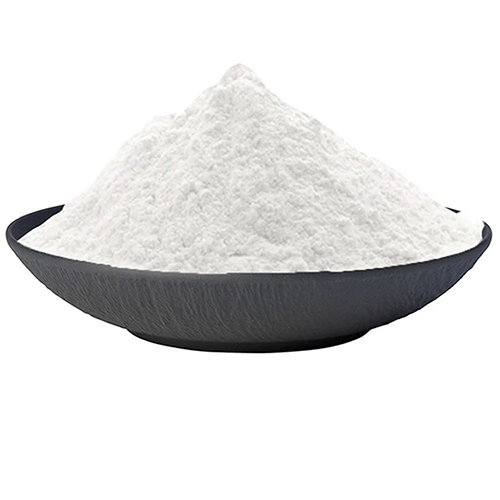
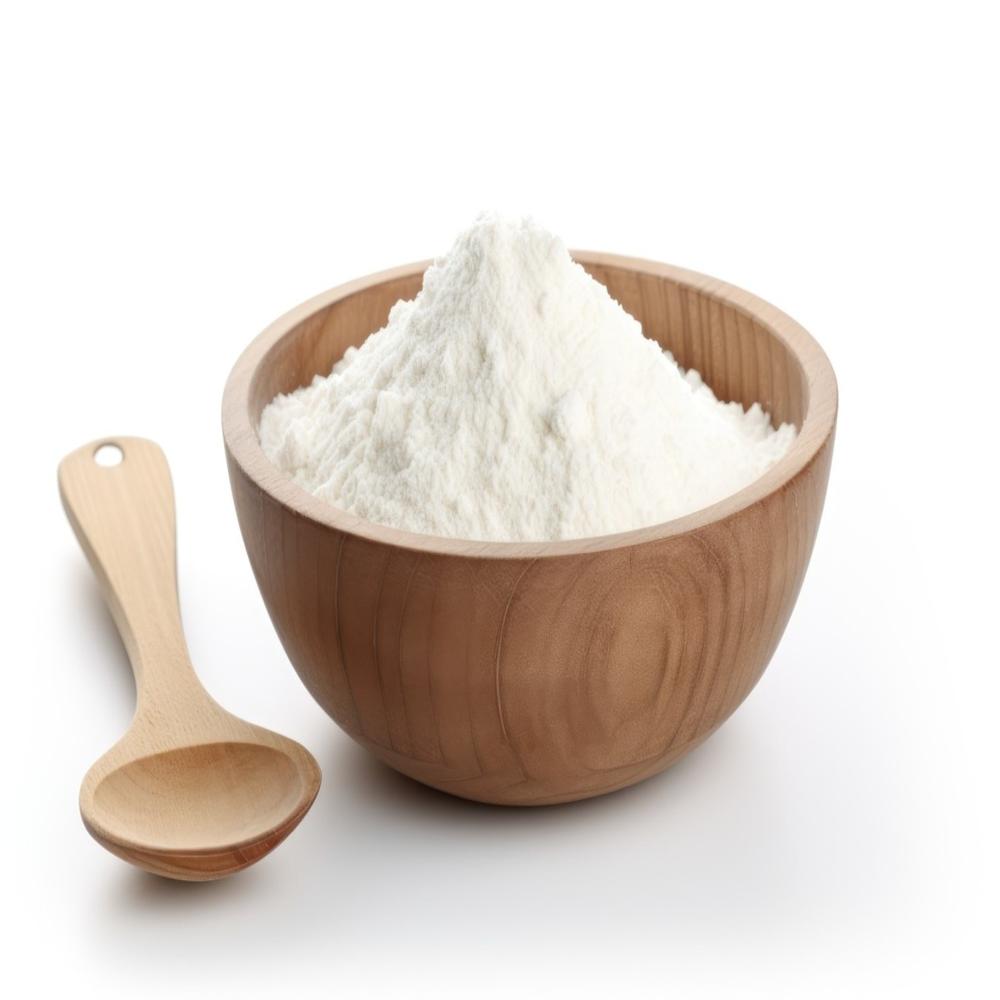
A: Stevia consists of 99% Steviol glycosides, appearing as a white to off-white fine powder with a mild odor. It is highly soluble, heat and pH stable, non-fermentable, and suitable for diabetics, differentiating it from many conventional sweeteners.







 Send Inquiry

 Send Inquiry
 Send Inquiry
 Send SMS